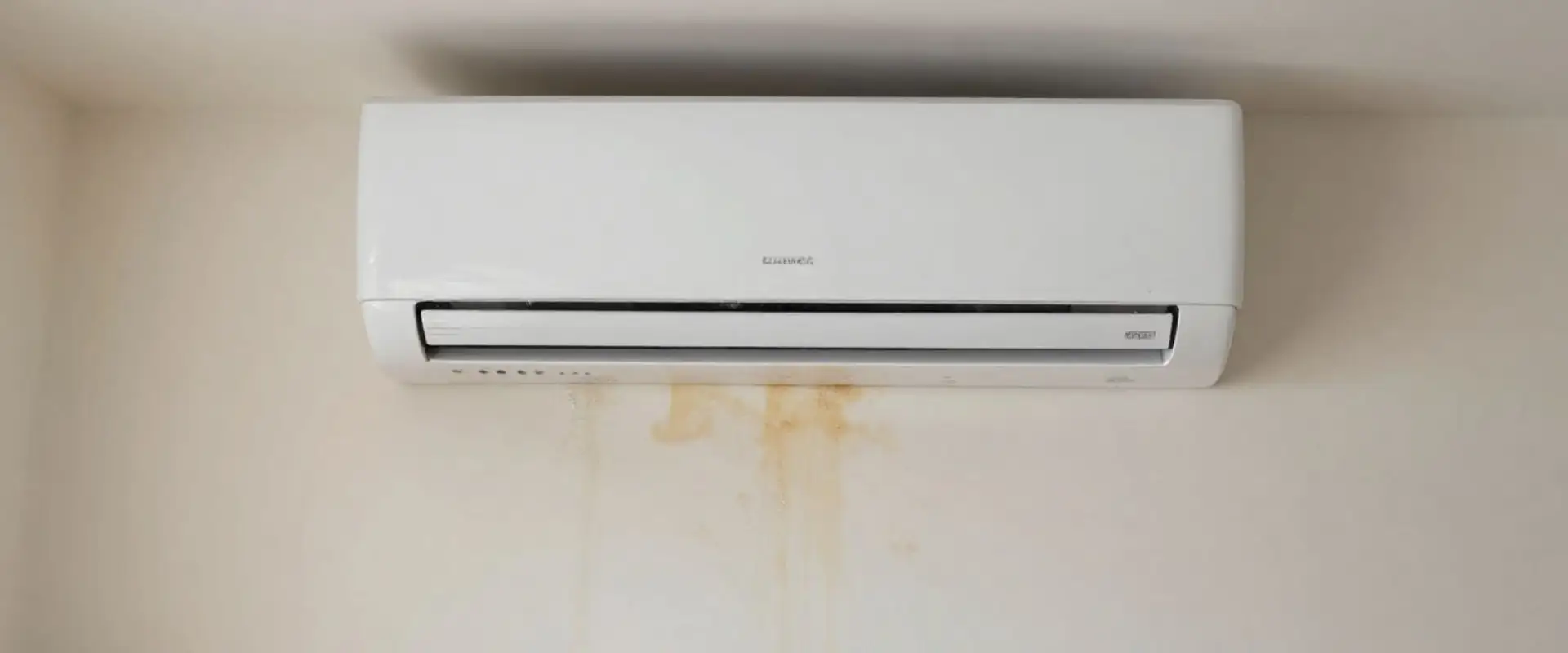
How common are AC leaks in Bothell homes?
.AC leak water damage in Bothell, WA is less common than in warmer regions, and it is better to say so. The U.S. Energy Information Administration's 2020 survey puts 53 percent of Washington homes as using some air conditioning equipment, with 30 percent using a central unit and 25 percent using an individual unit. Statewide, close to half of homes report none.
Cooling in the houses that have it comes from central units, ductless mini-splits, other individual units and heat pumps. EIA notes that its central category includes central heat pumps and its individual category includes ductless heat pumps. The Washington State Building Code Council states that heat pumps were 21 percent of residential space heating equipment in 2020, with a goal of 39 percent by 2030.
If you have a cooling system and a wet ceiling or floor near it, this page is for you. If not, the more usual Bothell sources are a water heater leak, a failed appliance or a roof leak.
Where an air conditioner leaks
.| Where | What goes wrong | What you see |
|---|---|---|
| Condensate drain line. | Algae and sludge clog the line, and the water backs up. | Water around the air handler or a stain on the ceiling below. |
| Drain pan. | The pan rusts or overflows when the line is blocked. | Dripping from the unit and a wet closet or attic floor. |
| Evaporator coil. | A dirty filter or low refrigerant lets ice form, then it melts. | Sudden water when the unit shuts off. |
| Ductless indoor head. | A kinked or poorly sloped drain hose. | Dripping from the wall unit onto the floor. |
| Attic air handler. | Pan overflow soaks insulation and drywall. | A ceiling stain far from the unit. |
A blocked line can leak slowly for weeks in an attic or closet where nobody looks, and that is what makes these losses expensive.
AC leak safety steps to take first
.- Turn the thermostat to off. A unit with a blocked line will keep adding water.
- Switch off power to the unit at its disconnect or breaker if you can reach them dry. Do not touch a unit standing in water.
- If a ceiling is stained or bulging, stay out from under it and keep people away.
- Photograph the unit, the pan and the damaged area.
- Call an HVAC technician for the unit and call us for the water.
Our process for an AC leak
.Locate the water
A moisture meter and a thermal camera trace the path from the unit to the wet materials.
Remove standing water
A wet vacuum clears the pan area, the floor and the cavity.
Remove wet material
Soaked insulation, drywall and carpet pad are cut out and bagged.
Dry
Air movers and LGR dehumidifiers run with daily readings until the area is dry.
Hand off
We document the damage. A technician repairs the unit and the line.
We follow ANSI/IICRC S500, the published reference for water damage restoration, and do not claim a firm certification. Water that sits in a pan can turn slimy, so we clean affected surfaces and not only dry them. See water damage cleanup for general cleaning.
Water from an air conditioner?
Call the 24/7 line. Scope and price are explained before work starts.
What affects the cost of AC leak repair
Costs depend on how long the leak ran and what it soaked.
Leak duration
A pan that overflowed for weeks affects more materials than a leak noticed in a day.
Location
Attic and ceiling leaks require ceiling work, and a closet leak may only need flooring work.
Materials
Insulation and drywall are replaced, while sound framing is dried.
Drying time
Closed cavities dry more slowly.
Separate trades
The unit repair is an HVAC cost and not a restoration one.
A written scope follows the first inspection.
Insurance and slow leaks
.The Washington insurance commissioner says most homeowners policies do not cover gradual leaks that continued for a long time, even if you could not have known, and that insurers consider these maintenance problems. A line that clogs over a season may fall in that category. A sudden overflow is treated differently. Your insurer decides, and we do not promise coverage.
Preventing condensate leaks
.- Have the unit serviced and the drain line flushed before the first warm weeks.
- Change the filter on schedule to avoid coil icing.
- Ask your technician about a float switch that shuts the unit off when the pan fills.
- Check the closet or attic floor beneath the unit now and then.
We serve Kenmore and Kirkland as well as Bothell.
Common questions about ac leak water damage repair
Yes. The dispatch line is answered 24/7, including nights, weekends and holidays. We offer same-day response when available and never promise an arrival time. Tell the dispatcher where the unit is and what is wet.
The most common reason is a clogged condensate drain line. Others are a rusted or overfull pan, a frozen coil that melts or a ductless hose with the wrong slope.
No. An HVAC technician repairs the unit. We dry and repair the building.
In cooling mode, yes. It makes condensate and needs a clear drain. In heating mode, outdoor units also make meltwater.